

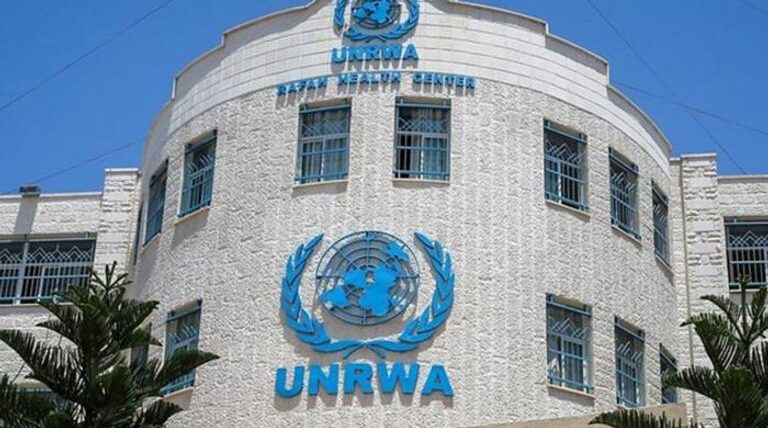
UNRWA Situation Report #214 on the Humanitarian Crisis in the Gaza Strip and the Occupied West Bank, including East Jerusalem
The Gaza Strip Families across the Gaza Strip have concluded the month of Ramadan amid deepening humanitarian needs and heightened exposure to violence, displacement, and destruction of property. The UN Office of the High Commissioner for Human Rights (OHCHR) warns that Palestinians in Gaza are still living under conditions of precarity and dehumanization, even five months after the ceasefire. The Israeli authorities reopened the Rafah crossing between the Gaza Strip and Egypt on 19 March for the limited movement of people, namely medical evacuations and returns to Gaza. Meanwhile, Kerem Shalom remains the only operational crossing for cargo, creating a major bottleneck for incoming supplies. Only limited numbers of trucks are entering the Gaza Strip, with the consequent scarcity of goods triggering further increases in prices and leading to shortage in medicines and spare parts needed to maintain essential operations. Airstrikes, shelling, and gunfire continued across the Gaza Strip, resulting in civilian casualties. According to the Ministry of Health (MoH), as reported by OHCHR, 673 Palestinians have reportedly been killed since the announcement of the ceasefire in October 2025.
This entry is original published by UNRWA.